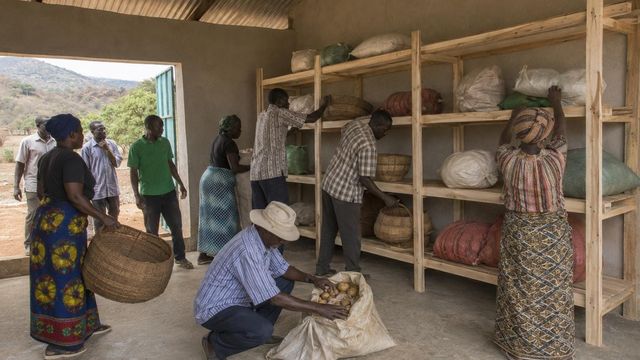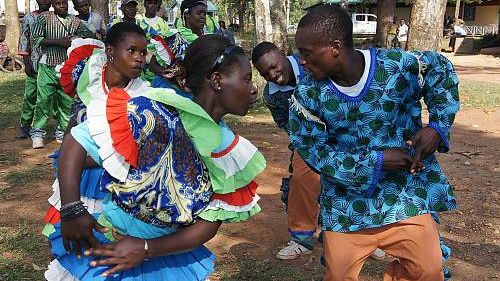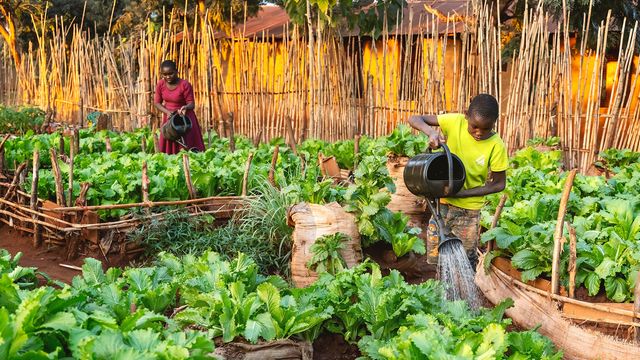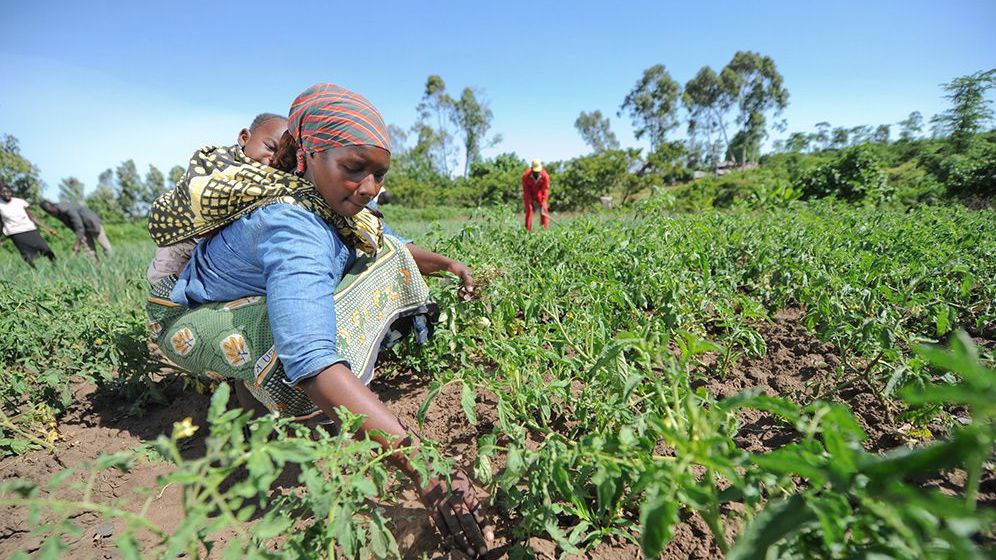
The Turkana Roots of Resilience project an expansion of an existing small-scale demonstration farm established at Turkana Girls Secondary School has received USD 3,000 in project funding to scale climate-smart agriculture training across Turkana. The expansion focuses on two phases: increasing the demonstration farm's capacity, and extending the knowledge gained there to at least 200 local families.
Phase one uses the grant to purchase additional drought-resistant seeds sorghum, millet, and fast-harvest vegetables alongside organic fertilizers, soil conditioning materials, and improved drip irrigation infrastructure. The upgraded farm will serve as the primary hands-on learning environment for 50 student leaders from Turkana Girls Secondary School, with 10 teachers trained to embed the curriculum into ongoing school programming.
Phase two reaches beyond the school gate. Workshops for 200 families prioritizing mothers and women heading households, who bear the greatest burden of food insecurity when male household members leave to find grazing grounds will provide direct training in the same drought-adapted techniques practiced on the demonstration farm. Families of the 50 trained student leaders will receive seeds, tools, and follow-up guidance to implement the methods at home.
The project is built for longevity. Teachers trained in climate-smart methods will continue delivering the curriculum to new student cohorts each year. The school farm itself is designed to eventually generate produce that can fund further training workshops, creating a self-sustaining model. Local agricultural NGO partnerships are being developed to provide ongoing technical support beyond the funded period.
Turkana's geography and climate make this work both difficult and urgent: commercial seed access is limited, rainfall is unpredictable, and the community has historically depended on pastoralism in conditions that climate change is rapidly making harder to sustain. This project does not replace that knowledge it adds a complementary agricultural layer that gives families a fallback during dry seasons.
Monitoring will track how many families implement the techniques taught, and how many students move from training into active farm participation. Progress reports will be shared with the funding organization and local partners throughout the six-month implementation period.
“When we invest in a young pastoralist woman’s leadership, we invest in the next thirty years of change in West Pokot.”
Tags
- #turkana
- #climate-smart farming
- #food security
- #women
- #demonstration farm
- #community